Article
Hurlands Pickleball & Padel Club Partners with Herrington Carmichael
Hurlands has announced a new partnership!...
Read moreHi everyone,
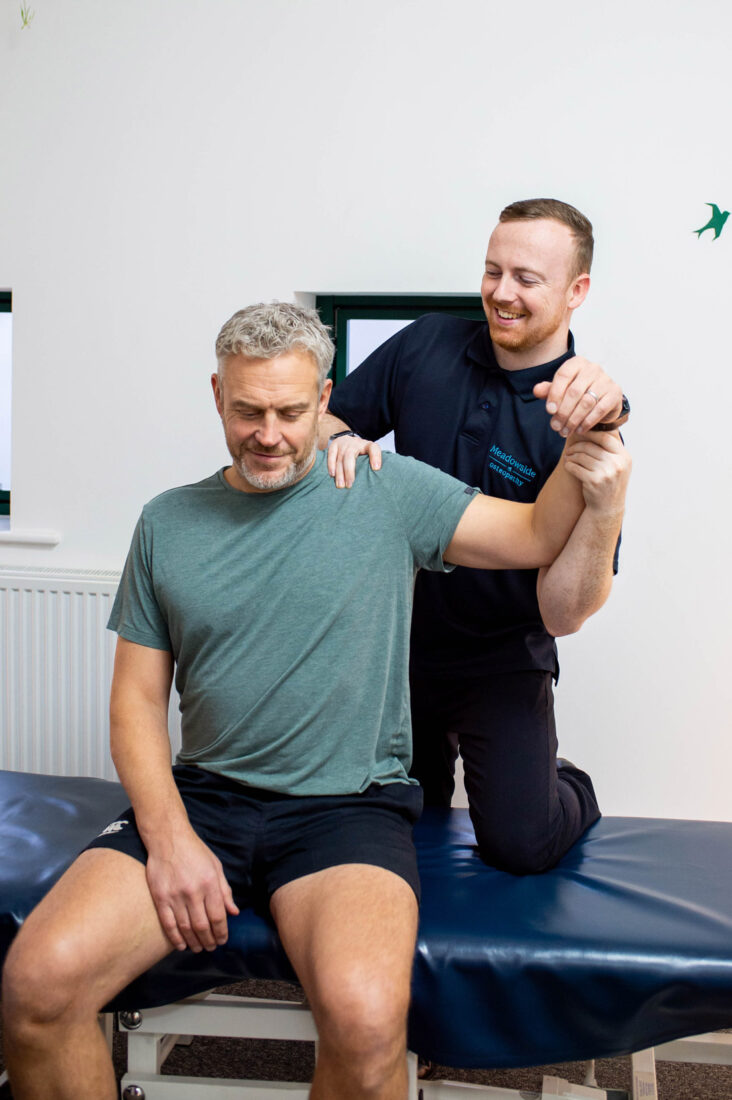
I’m Ashley, the osteopath working alongside the Sports Therapy team upstairs at Hurlands Pickleball and Padel Club.
Over the past decade, racket sports have undergone a quiet revolution. While tennis remains a global staple, newer and more accessible sports such as padel and pickleball have surged in popularity. With this rise, however, comes a familiar problem making a strong comeback: tennis elbow.
Despite its name, tennis elbow is not limited to tennis players. It is an overuse injury affecting the tendons that attach to the outer part of the elbow. Repetitive gripping and wrist extension can lead to microtears in the tendon, causing pain, stiffness, and reduced strength.
In pickleball especially, rallies tend to be longer, with quick, repetitive shots at the net. This constant motion increases strain on the forearm tendons.
Many players transition into these sports without proper coaching. Improper backhand technique, excessive wrist use, or gripping too tightly can all accelerate tendon overload.
Padel and pickleball attract a wide range of participants, including many beginners and returning athletes. Tendons that are not conditioned for repetitive loading are more susceptible to injury.
Common signs of tennis elbow include:
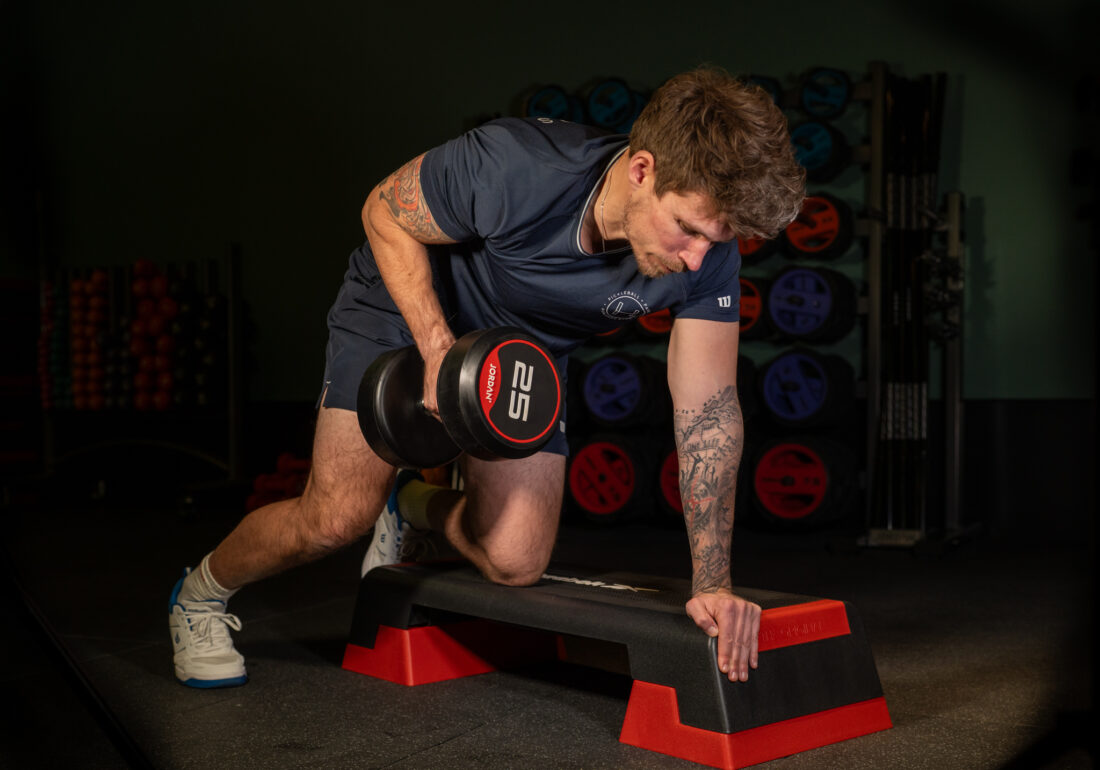
Eccentric strengthening exercises for the wrist extensors are key. Building forearm resilience can significantly reduce the risk of injury.
Learning proper stroke mechanics, particularly on the backhand, can dramatically reduce strain. Even a few coaching sessions can make a big difference.
Many clubs also have on-site coaching staff available, so taking advantage of their guidance can help you refine technique early and avoid developing habits that contribute to injury.
Avoid sudden increases in playing time or intensity. Gradually build up your workload and allow adequate recovery between sessions.
If symptoms develop, early intervention is crucial. Treatment options may include:
Padel and pickleball are fantastic, social, and accessible sports, but they are not injury-proof. As participation continues to grow, so does the importance of understanding how to protect your body.
If you’re experiencing elbow pain or would like advice on prevention, feel free to speak to me at Hurlands. Early management is often the key to a quicker recovery and getting you back on court.